
Tamang History
An interactive, lightweight overview based on Wikipedia’s Tamang people article—covering history, culture, language, and regional distribution across Nepal, India, and Bhutan.
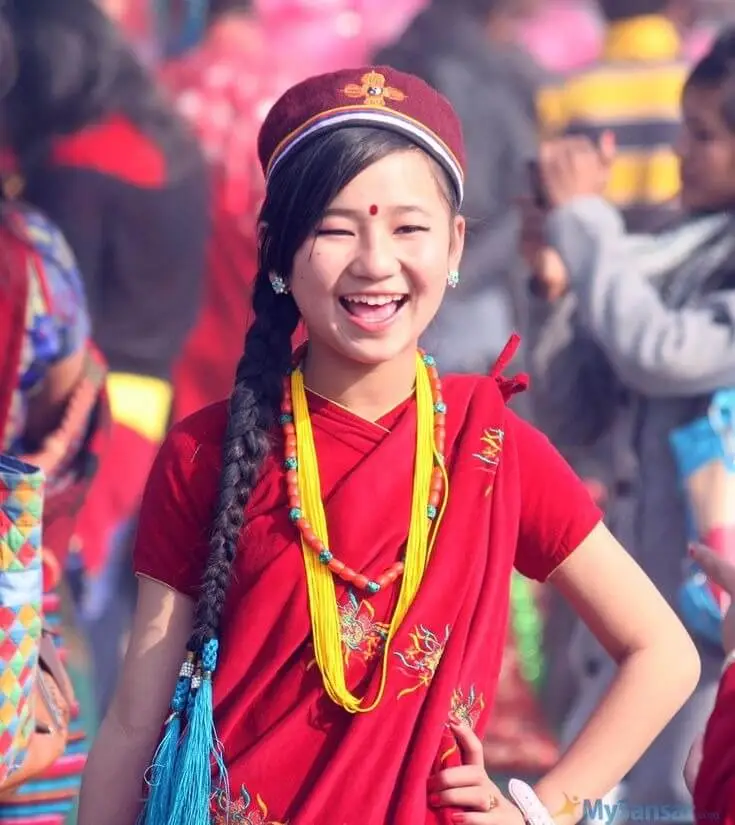
Quick facts (Wikipedia)
Overview
The Tamang people (རྟ་དམག་; Devanagari: तामाङ) are an ethnic group living in Nepal, Northeast India and southern Bhutan. Wikipedia notes that in Nepal they are concentrated in central hilly and Himalayan regions.
Interactive charts (Wikipedia figures)
Simple, effective charts based on the Wikipedia data in your provided excerpt.
Population by country/region
Wikipedia figuresEstimated ancestry contribution
Nepal: % Tamang by province (2011)
Nepal: districts above national average (Top 12 shown)
History (simplified timeline)
Culture, festivals & language
- Distinct language, dress, and social structure; over 100 sub-clans (Wikipedia statement).
- Wikipedia reports ~87% Buddhist, ~8% Hindu, ~3% Christian (as stated there).
- Tamang Selo song/dance; damphu drum; mantra cloths displayed in villages/towns.
- Sonam Lhosar is described as the main festival, celebrated in Magh (February–March).
- Saga Dawa is mentioned as a significant religious festival (Wikipedia notes citation needed).
- Sino-Tibetan language with multiple dialects; some are mutually unintelligible (Wikipedia statement).
- Tonal; ergative-absolutive alignment (Wikipedia summary).
- Written using Tamyig (similar to Tibetan) and Devanagari.
Sources & attribution
This page is a summarized visualization built from Wikipedia’s Tamang people article. Wikipedia content is available under CC BY-SA; consult the source page for full citations and edit history.